
🎯 Team Meeting Efficiency Mastery Guide ⚡
Transform your team's productivity with data-driven efficiency strategies and collaboration optimization techniques
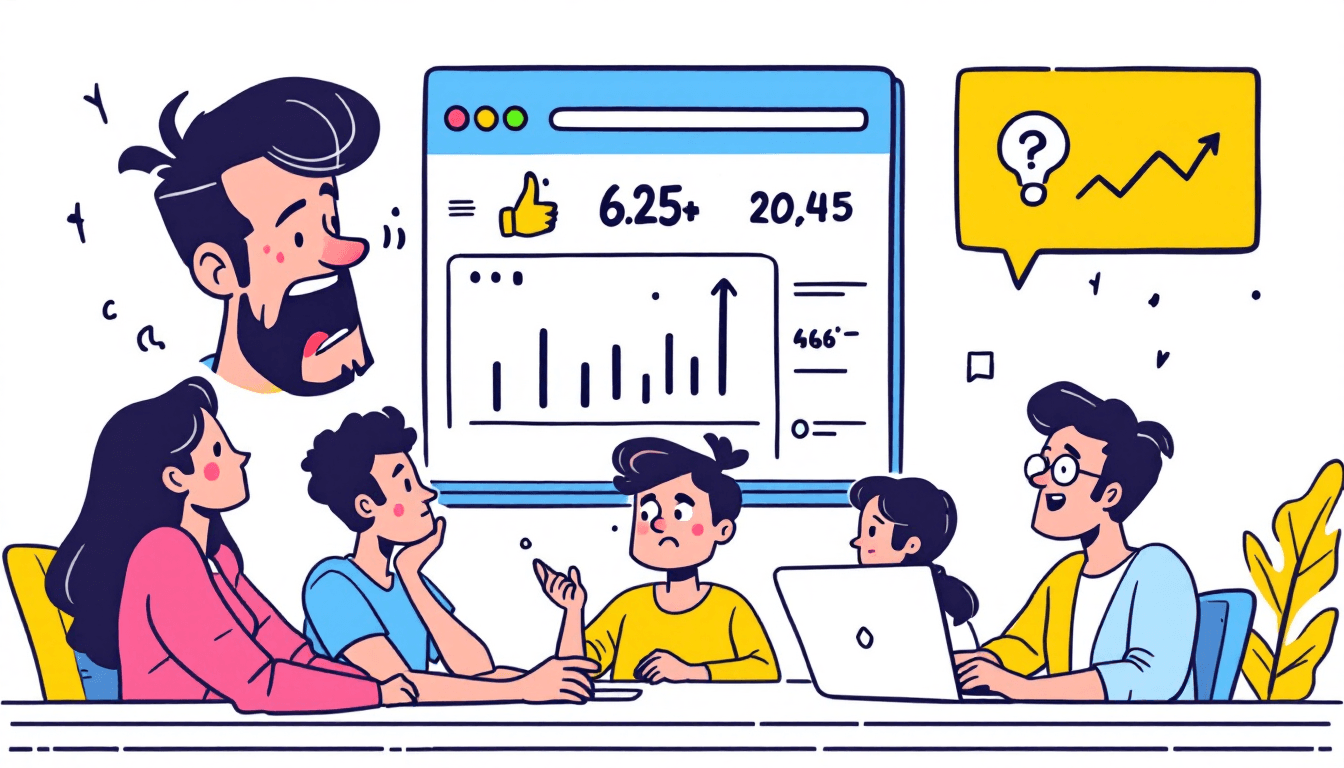
💡 Quick Efficiency Framework
Team meeting efficiency improves when you implement: structured agendas, time boundaries, clear objectives, engagement metrics, and follow-up automation. Start with measuring current meeting ROI, then optimize systematically.
🎯 Core Team Efficiency Strategies
⏰ Time Management Framework
- ✓25-minute focused blocks with 5-min buffers
- ✓Hard start/stop times - no extensions
- ✓Parking lot method for off-topic items
- ✓Meeting-free zones (2-4 PM daily)
🎪 Engagement Optimization
- ✓Round-robin participation ensures all voices
- ✓Silent brainstorming before discussion
- ✓Role rotation keeps energy high
- ✓Energy check-ins every 15 minutes
⚡ Efficiency Quick Wins
Implement the "3-2-1 Rule": 3 agenda items max, 2 decision points required, 1 clear action owner per outcome.
📊 Essential Productivity Metrics
🎯 Key Performance Indicators (KPIs)
📈 Measurement Framework
🔍 Meeting ROI Calculation
Formula: (Decisions Made + Actions Assigned + Problems Solved) ÷ (Meeting Cost × Time Invested)
Cost: $500/hour × 1 hour = $500
ROI: 20 ÷ $500 = 0.04 outputs per dollar
⏱️ Time Efficiency Metrics
- Meeting Velocity: Agenda items completed per minute
- Decision Speed: Average time from discussion to decision
- Preparation Index: % of attendees who reviewed materials
- Follow-up Rate: Actions completed within 48 hours
🛠️ Collaboration Tools & Technology
🎙️ Meeting Enhancement Tools
📋 Workflow Automation
Meeting Scheduling
Calendly, When2meet for coordination
Action Tracking
Asana, Monday.com for follow-up
Document Sharing
Notion, Confluence for knowledge base
🔧 Tool Integration Strategy
Stack your tools smartly: Usemeeting automation workflowsthat connect your calendar → transcription → action items → project management.
⚙️ Workflow Optimization Strategies
🔄 Meeting Lifecycle Optimization
📝 Pre-Meeting (48h before)
- • Agenda distributed
- • Materials shared
- • Roles assigned
- • Objectives clarified
⚡ During Meeting
- • Time-boxed discussions
- • Active facilitation
- • Real-time documentation
- • Decision recording
🎯 Post-Meeting (24h after)
- • Summary distributed
- • Actions assigned
- • Next steps scheduled
- • Feedback collected
🎪 Advanced Facilitation Techniques
🧠 Cognitive Load Management
- • One topic at a time
- • Visual information hierarchy
- • Progressive disclosure
- • Mental model alignment
🎭 Group Dynamic Optimization
- • Introvert/extrovert balance
- • Conflict transformation
- • Energy management
- • Psychological safety
📅 Optimal Meeting Cadence Framework
⏰ Frequency Guidelines by Meeting Type
🚀 Daily Standups
Participants: Core team (3-9 people)
Format: Round-robin updates
- • Same time, same place
- • Standing format
- • Yesterday/Today/Blockers
📊 Weekly Reviews
Participants: Extended team
Format: Metrics review + planning
- • Data-driven agenda
- • Pre-read materials
- • Action-oriented outcomes
🎯 Strategic Planning
Participants: Leadership team
Format: Deep-dive sessions
- • Off-site environments
- • Facilitated workshops
- • Decision frameworks
⚠️ Meeting Overload Warning Signs
Red flags indicating too many meetings:
- • >40% of work time in meetings
- • Back-to-back calendar blocks
- • Declining meeting satisfaction scores
- • Increased meeting fatigue complaints
- • Reduced individual contributor productivity
🎪 Advanced Engagement Techniques
🧠 Psychological Engagement Strategies
🎯 Attention Management
Novelty Injection
Change format every 10-15 minutes: discussion → whiteboard → breakout → presentation
Curiosity Gaps
Start with intriguing questions before providing answers
Progressive Revelation
Build suspense by revealing information gradually
🤝 Participation Optimization
Silent Start
Begin with 2-3 minutes of individual reflection
Think-Pair-Share
Individual → pairs → full group progression
Devil's Advocate
Assign rotating role to challenge assumptions
⚡ Energy Management Tactics
Morning Energy
Schedule creative/strategic work early
Hydration Breaks
Built-in 2-minute movement pauses
Ambient Audio
Background music for creative sessions
🗺️ 30-Day Implementation Roadmap
Week 1: Foundation Setting 🏗️
- • Audit current meeting patterns and costs
- • Establish baseline metrics (attendance, satisfaction, outcomes)
- • Introduce meeting charter and ground rules
- • Implement basic time management (hard stops, agendas)
Week 2: Tool Integration 🛠️
- • Deploy AI transcription tools (Otter.ai or similar)
- • Set up action item tracking system
- • Create standard agenda templates
- • Train team on new collaboration platforms
Week 3: Engagement Enhancement 🎪
- • Introduce facilitation rotation system
- • Implement engagement techniques (polls, breakouts)
- • Start measuring participation metrics
- • Collect feedback on meeting quality improvements
Week 4: Optimization & Scale 📈
- • Analyze 30-day metrics and ROI improvements
- • Optimize meeting frequency based on data
- • Expand successful practices across all teams
- • Establish ongoing improvement process
🔗 Related Productivity Resources
🤖 Meeting Automation Guide
Complete workflow automation for maximum efficiency
🎙️ Otter.ai Review
AI transcription tool for automated meeting notes
💡 Productivity Tips FAQ
Common questions about meeting optimization
Ready to Transform Your Team's Meeting Culture? 🚀
Implement these efficiency strategies and watch your team's productivity soar. Start with our personalized tool recommendations.