⚖️ Transcription Restrictions Analysis 2026 🔒
Complete guide tousage limitations, legal compliance, and security restrictionsfor AI transcription services
🚨 Critical Restrictions Summary 💡
AI transcription services facelegal compliance restrictions, usage limits, andsecurity requirements. Attorney-client privilege can be destroyed, HIPAA violations may occur, and discoverable evidence is automatically created.
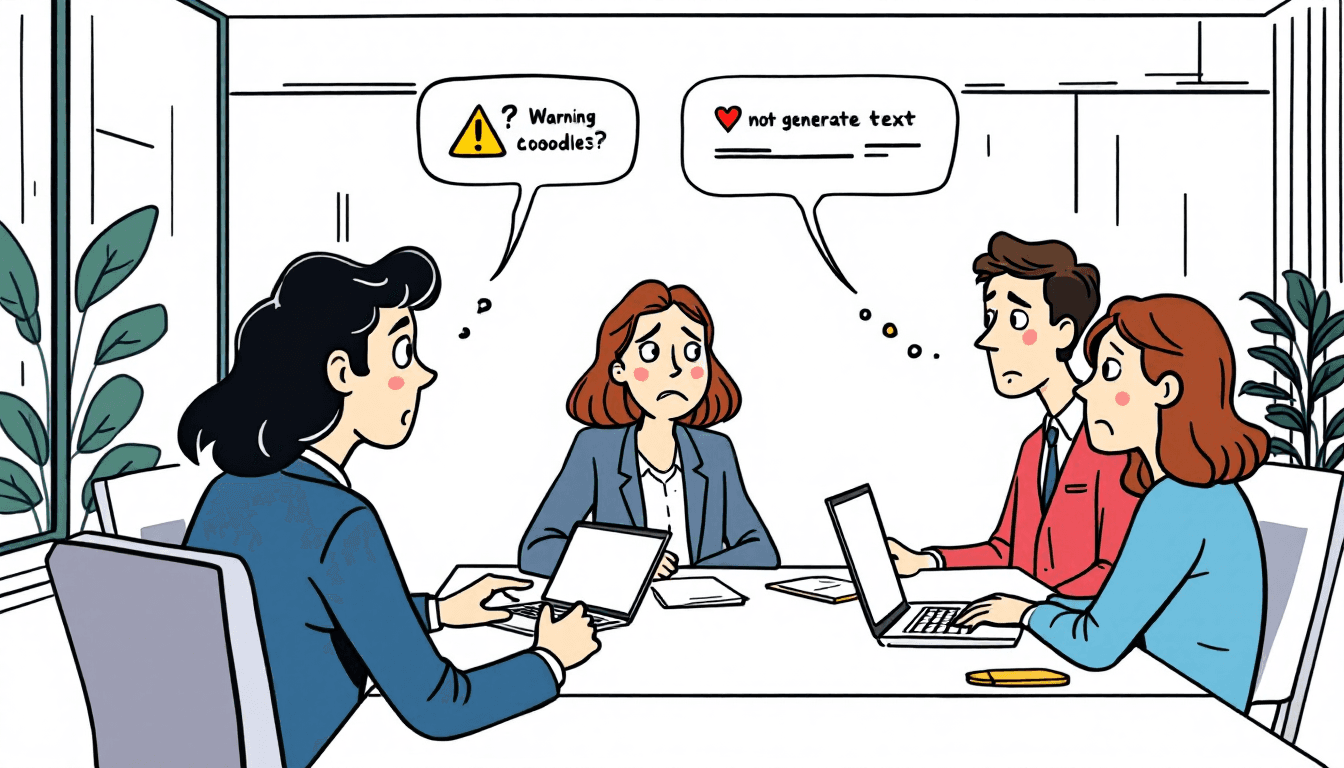
Transcription service restrictions and compliance considerations for 2026
⚖️ Legal & Compliance Restrictions
🛡️ Attorney-Client Privilege Risks
⚠️ Critical Dangers:
- • Privilege Destruction:Third-party cloud processing may destroy attorney-client privilege
- • Inadvertent Waiver:AI transcripts can waive privilege protection
- • Discovery Exposure:Transcripts stored in third-party repositories become discoverable
- • Training Data Risk:Confidential communications may train AI models
- • Subpoena Vulnerability:AI providers can be subpoenaed for privileged content
🛡️ Mitigation Strategies:
- • Use on-premise/offline AI models only
- • Deploy private or closed LLM systems
- • Disable recording during privileged conversations
- • Implement 48-hour deletion policies
- • Review all AI provider terms of service
🏥 HIPAA & Healthcare Restrictions
❌ Prohibited Uses:
- • Medical consultations with patients
- • Healthcare team discussions
- • Telehealth appointments
- • Insurance claim discussions
- • Mental health sessions
- • Any conversation containing PHI
✅ Required Safeguards:
- • BAA (Business Associate Agreement) with AI provider
- • End-to-end encryption for all data
- • US-based data processing only
- • Audit trails and access logs
- • Patient consent for any recording
- • Immediate deletion capabilities
📄 Public Records & Discovery Risks
🔍 Discovery Vulnerabilities:
- • Automatic Evidence Creation:Transcripts become discoverable documents
- • Litigation Holds:Deleting transcripts may violate preservation requirements
- • Public Records Requests:Government entities must preserve transcripts
- • Work Product Risk:AI drafts may not qualify for work product protection
⚡ Best Practices:
- • Establish clear data retention policies
- • Document attorney judgment in AI-generated content
- • Use temporary access windows (24-48 hours)
- • Maintain detailed deletion logs
- • Train staff on litigation hold procedures
📊 Usage Limits & Technical Restrictions
| Platform | Free Tier Limits | Session Restrictions | Storage Limits | Key Restrictions |
|---|---|---|---|---|
| Otter.ai | 300 minutes/month | 30-minute max sessions | 25 recent conversations only | English only, 3 file imports lifetime |
| Fireflies.ai | 800 minutes total storage | No session limits | 800 min total (permanent cap) | 20 AI credits/month, 100MB file uploads |
| Rev.ai | 5 hours free trial | No ongoing free tier | Trial only | Pay-per-minute after trial ($0.02/min) |
| Trint | 30-minute free trial | Single trial session | Trial transcription only | Subscription required for continued use |
| Fathom | Unlimited recording | No session limits | Unlimited storage | 5 AI summaries/month limit |
🎯 Accuracy Limitations
- 🗣️Speaker Recognition Issues:Poor accuracy with accents, non-native speakers, unique vocal patterns
- 🎭Context Misunderstanding:AI misses inflection, sarcasm, questions vs statements
- 👥Speaker Attribution Errors:Wrong speaker labels, overlapping speech issues
- ⚖️Discrimination Risk:Potential bias against certain demographics
🌍 Language & Platform Restrictions
- 🌐Language Support:Many tools English-only or limited language support
- 💻Platform Dependencies:Some tools work only with specific meeting platforms
- 📱Device Restrictions:Mobile apps often have fewer features
- 🔌Integration Limits:Free plans typically lack CRM/productivity integrations
🔐 Security & Data Privacy Restrictions
🏢 Institutional Data Control Issues
❌ No Control Over:
- • Data retention periods
- • Automatic deletion policies
- • Server location preferences
- • Access audit trails
- • Data encryption standards
⚠️ User Responsibility:
- • Manual content deletion
- • Privacy settings management
- • Access permission controls
- • Compliance monitoring
- • Team member oversight
🔍 Hidden Risks:
- • AI training on user data
- • Cross-contamination between users
- • Vendor acquisition changes
- • Terms of service updates
- • Data breach exposures
🌍 Geographic Restrictions
- 🇪🇺GDPR Compliance (EU):Right to deletion, data portability, consent management
- 🇨🇳Data Localization:Some countries require local data storage
- 🏛️Government Restrictions:Federal agencies may have tool approval processes
- 🔒Export Controls:Some AI technology restricted in certain regions
🏭 Industry-Specific Restrictions
- 🏦Financial Services:SOX compliance, PCI DSS requirements, data retention rules
- 🏛️FedRAMP, FISMA compliance, security clearance requirements
- 🎓Education (FERPA):Student privacy protection, parental consent requirements
- 📺Media & Entertainment:Copyright protection, talent privacy, NDAs
✅ Compliance Best Practices
📋 AI Acceptable Use Policy Framework
📝 Policy Must Include:
- • List of approved transcription tools
- • Prohibited use cases and content types
- • Data retention and deletion requirements
- • Employee training requirements
- • Incident response procedures
- • Regular compliance auditing schedule
⚖️ Legal Considerations:
- • Review all vendor contracts and terms
- • Establish privilege preservation protocols
- • Document consent procedures for recordings
- • Create litigation hold procedures
- • Define cross-border data transfer rules
- • Regular legal counsel consultations
🔧 Technical Implementation Guidelines
🏠 On-Premise Solutions:
- • Deploy private LLM instances
- • Use local transcription models
- • Implement air-gapped systems
- • Regular security patching
- • Access logging and monitoring
☁️ Cloud Security:
- • End-to-end encryption
- • VPN or private network access
- • Multi-factor authentication
- • Role-based access controls
- • API security monitoring
📊 Monitoring & Auditing:
- • User access tracking
- • Data flow documentation
- • Regular penetration testing
- • Compliance reporting dashboards
- • Incident detection systems
⚠️ Risk Assessment by Use Case
| Use Case | Legal Risk | Privacy Risk | Compliance Risk | Recommended Action |
|---|---|---|---|---|
| Attorney-Client Meetings | CRITICAL | CRITICAL | CRITICAL | ❌ DO NOT USE cloud transcription |
| Medical Consultations | HIGH | CRITICAL | CRITICAL | ⚠️ HIPAA-compliant tools only + BAA required |
| Financial Planning | HIGH | HIGH | HIGH | ⚠️ Secure tools + client consent required |
| HR Meetings | MEDIUM | HIGH | MEDIUM | ⚠️ Employee consent + data retention policy |
| Sales Calls | LOW | MEDIUM | LOW | ✅ Standard tools OK with customer consent |
| Team Standups | LOW | LOW | LOW | ✅ Most tools acceptable |
📈 2026 Regulatory Trends & Predictions
🔮 Expected Regulatory Changes
- ⚖️AI Transparency Laws:Requirements for AI disclosure in legal/medical settings
- 🛡️Stricter Data Residency:More countries requiring local data processing
- 🔍AI Bias Auditing:Mandatory testing for discrimination in transcription accuracy
- 📋Consent Requirements:Clearer standards for meeting recording consent
🏢 Industry Response
📈 More Compliance Features
Tools adding automatic compliance detection and reporting
🔒 Enhanced Security Options
On-premise and hybrid deployment models becoming standard
🎯 Industry Specialization
Tools targeting specific compliance requirements (HIPAA, SOX, etc.)
🔗 Related Compliance Resources
🔒 Enterprise Security Tools
Comprehensive comparison of security-compliant meeting AI tools for enterprise
🏥 HIPAA Compliant Tools
Meeting transcription tools that meet healthcare privacy requirements
❓ Otter.ai Usage Restrictions
Detailed breakdown of Otter.ai's specific limitations and restrictions
🎯 Compliance Tool Finder
Find transcription tools that meet your specific compliance requirements
🛡️ Need Compliant Transcription Solutions? ⚖️
Get personalized recommendations for tools that meet your legal and compliance requirements